ByJohn A
How Technology Is Supporting Better Supply Chain Visibility
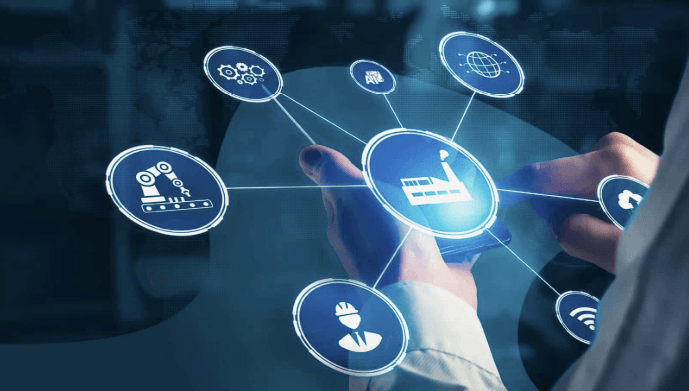
Technology integrates real-time tracking with IoT and IIoT data streams, converting movement and condition signals into actionable transparency. AI and analytics transform raw data into proactive insights, flagging anomalies and predicting disruptions. Governance ensures data quality and lineage, while blockchain and shared platforms offer immutable records and interoperable exchanges. Together, these elements support policy-aware, data-driven decision making and resilient networks—yet questions remain about scaling, interoperability, and risk in complex logistics ecosystems.
What Is Real-Time Visibility and Why It Matters
Real-time visibility refers to the ability to track the location, condition, and status of goods and assets across the supply chain as events occur, rather than after delays or at fixed milestones. This enables real time tracking, supports proactive decisions, and informs policy with transparent metrics. Data governance structures ensure accuracy, security, and compliance while empowering stakeholders to act with freedom and accountability.
IoT Sensors, IIoT, and Data Streams That Fuel Transparency
IoT sensors, IIoT platforms, and continuous data streams convert raw movement and condition signals into actionable transparency across the supply chain.
The approach prioritizes interoperability, standardized protocols, and secure data fusion to reveal traceability, provenance, and bottlenecks.
Governed by policy-aware frameworks, these ecosystems balance openness with risk management, enabling informed decisions while preserving autonomy and freedom to innovate.
IoT sensors, IIoT data streams.
AI, ML, and Analytics: Turning Data Into Proactive Decisions
AI, ML, and analytics transform raw data into proactive supply chain decisions by uncovering patterns, anomalies, and predictive signals at scale. This approach emphasizes data governance to ensure quality, lineage, and accountability.
Blockchain and Shared Platforms for Trusted Data Exchange
Building on the data governance measures highlighted in the prior subtopic, this section examines how blockchain and shared platforms enable trusted data exchange across supply chain partners.
Blockchain security underpins immutable records, while shared platforms harmonize provenance and transaction schemas.
Robust data governance and interoperable standards reduce friction, empowering a trust-based, transparent, policy-aligned network for trusted exchange among stakeholders.
Frequently Asked Questions
How Do You Measure ROI From Improved Supply Chain Visibility?
ROI from improved supply chain visibility is measured via ROI metrics and visibility metrics, focusing on cost reductions, cycle-time improvements, and risk mitigation; the approach is data-driven, tech-focused, policy-aware, and aligned with a freedom-seeking audience.
What Are Privacy and Security Risks in Transparent Data Sharing?
The answer acknowledges a common objection—transparency implies risk. Privacy risks and data security concerns accompany transparent data sharing; robust encryption, access controls, and governance reduce exposure, while continuous monitoring and policy alignment sustain trustworthy, freedom-enhancing data ecosystems.
Which Roles Benefit Most From Real-Time Supply Chain Insights?
Real-time supply chain insights primarily benefit executives, operations teams, and suppliers seeking agility; benefit alignment and stakeholder empathy guide prioritization, enabling data-driven decisions, policy-aware risk management, and tech-forward optimization for freedom-loving, innovation-focused audiences.
See also: What Is Tokenomics in Cryptocurrency?
How Do Change Management and Adoption Influence Visibility Success?
Change management and adoption success shape visibility by aligning people, processes, and policies; allegorically, a lighthouse keeper tunes every beacon. Data-driven, tech-focused, and policy-aware, it emphasizes governance, training, and stakeholder engagement to sustain transparent, autonomous supply chains.
What Are Common Integration Challenges With Legacy Systems?
Legacy systems often pose integration challenges, creating data silos, compatibility gaps, and slow interoperability; organizations must standardize data contracts, adopt APIs, and enforce governance to unlock real-time visibility while maintaining freedom to innovate.
Conclusion
In a data-driven world, real-time visibility is no longer a luxury but a baseline KPI. IoT/IIoT streams, AI-driven analytics, and secure blockchain exchanges stitch a transparent fabric of supply chains, enabling faster, policy-aware decisions. Yet governance matters: data quality, lineage, and accountability guard against sensational dashboards. The result is a resilient network where anomalies are flagged before drama erupts, and every shipment becomes a traceable story—preferably with fewer spoilers and more actionable metrics, preferably delivered on time.